THE JOURNAL / HOME POWER
Backup for your home. Clarity for your family.
36 stories on selection, runtime and use. Practical scenarios with sources and explicit assumptions.
 AI illustration
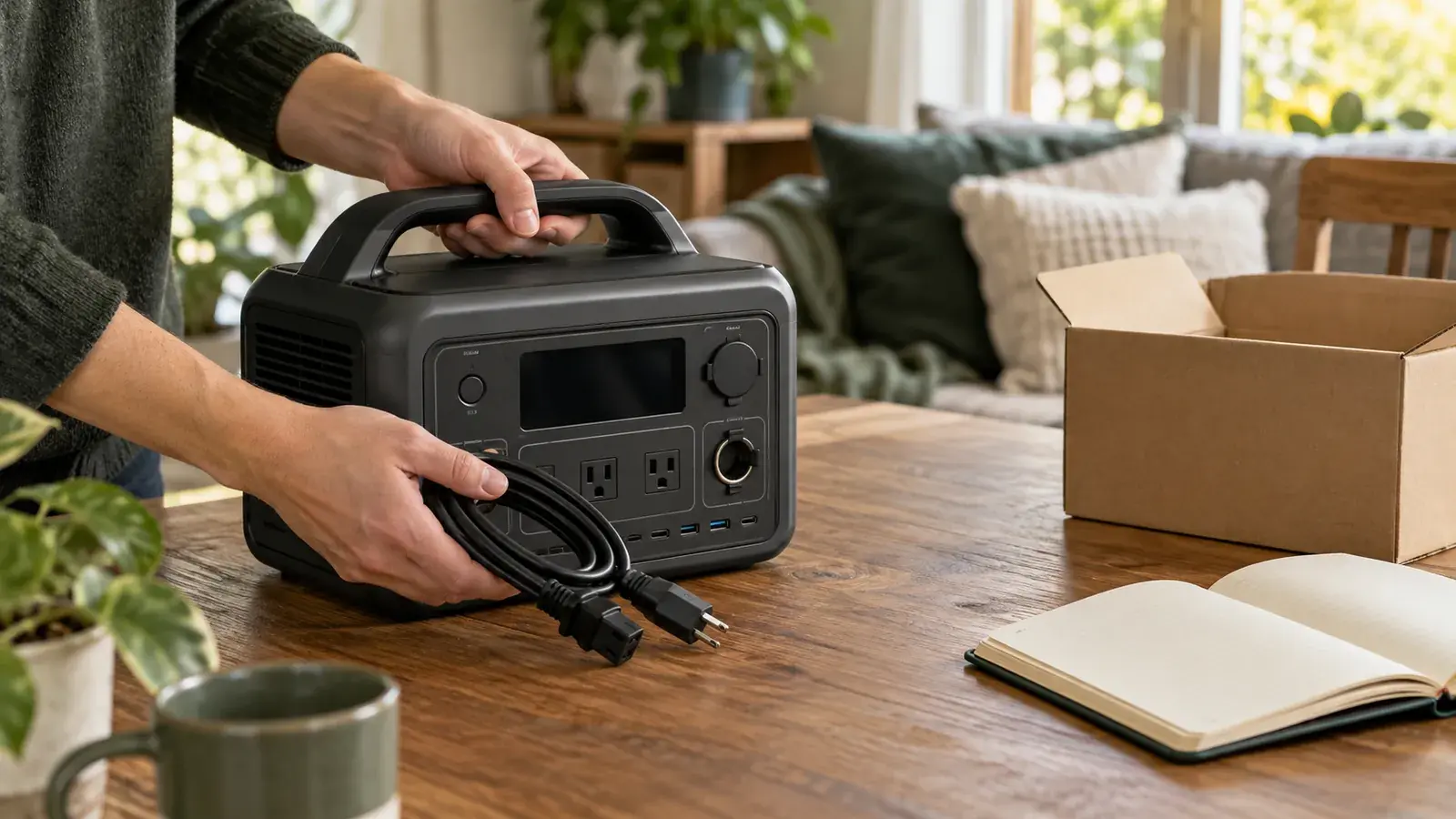
1 kWh or 2 kWh: which station capacity does a family need?
In a shop, 1 kWh versus 2 kWh looks like simple arithmetic. At home it becomes a practical question: are you paying for useful hours, or extra capacity that is harder to carry and recharge?
Read story AI illustration
How to plan twelve hours of backup for a family
A long outage rarely has one constant load. The evening needs lights and work equipment; the night needs something else. That difference is the key to budgeting a useful reserve.
Read story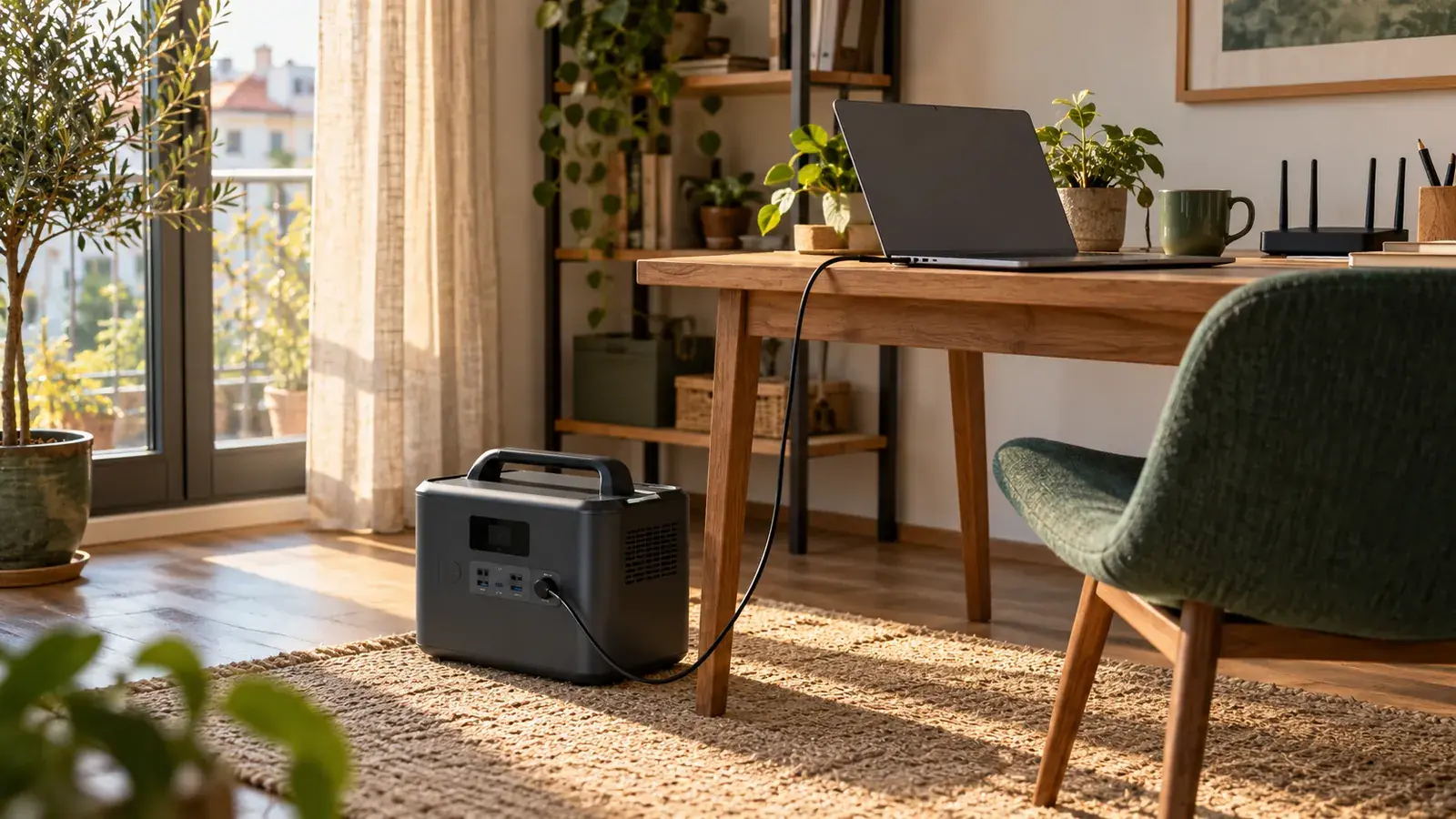 AI illustration
Planning six hours of apartment backup power
Six hours without mains power is a clear problem. A “six-hour station” is not a clear solution: a laptop and a fridge use that time differently. Start by breaking the evening into tasks.
Read storyAI illustrationHow to audit household loads before buying backup power
Sometimes the most useful thing to buy before a power station is nothing at all: start with a sheet of paper. It reveals what runs for hours, what runs for a minute and which figures are guesses.
Read story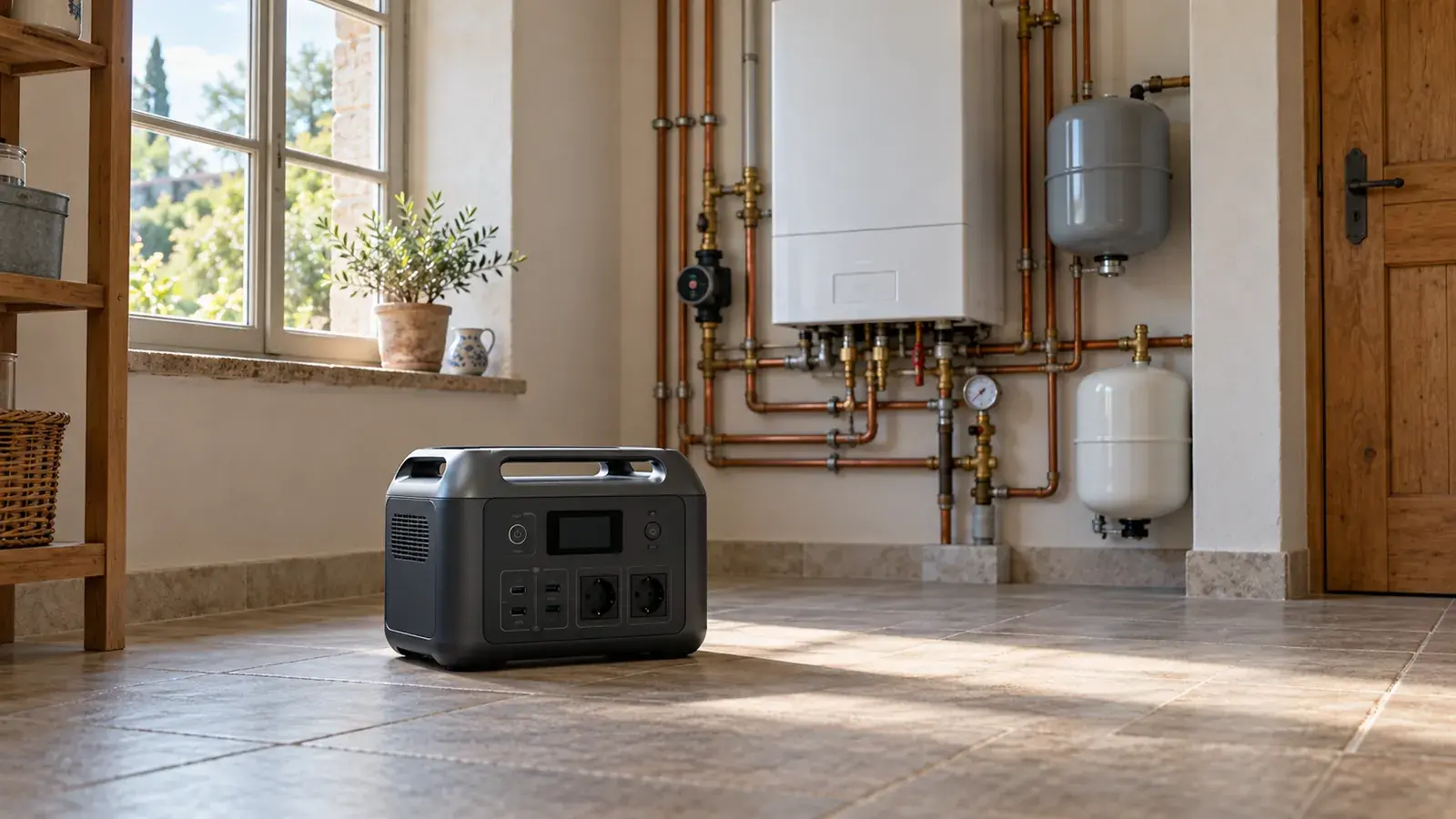 AI illustration
Choosing a power station for a family house
In a house, an outage can take away lighting, running water and heating controls together. Choosing backup starts with understanding which system does what.
Read storyAI illustrationChoosing an apartment power station: start with an evening without power
When the power goes out, a model name is not much help. What matters is finishing work, keeping the internet on and finding room for a heavy battery. That is where a sensible choice begins.
Read story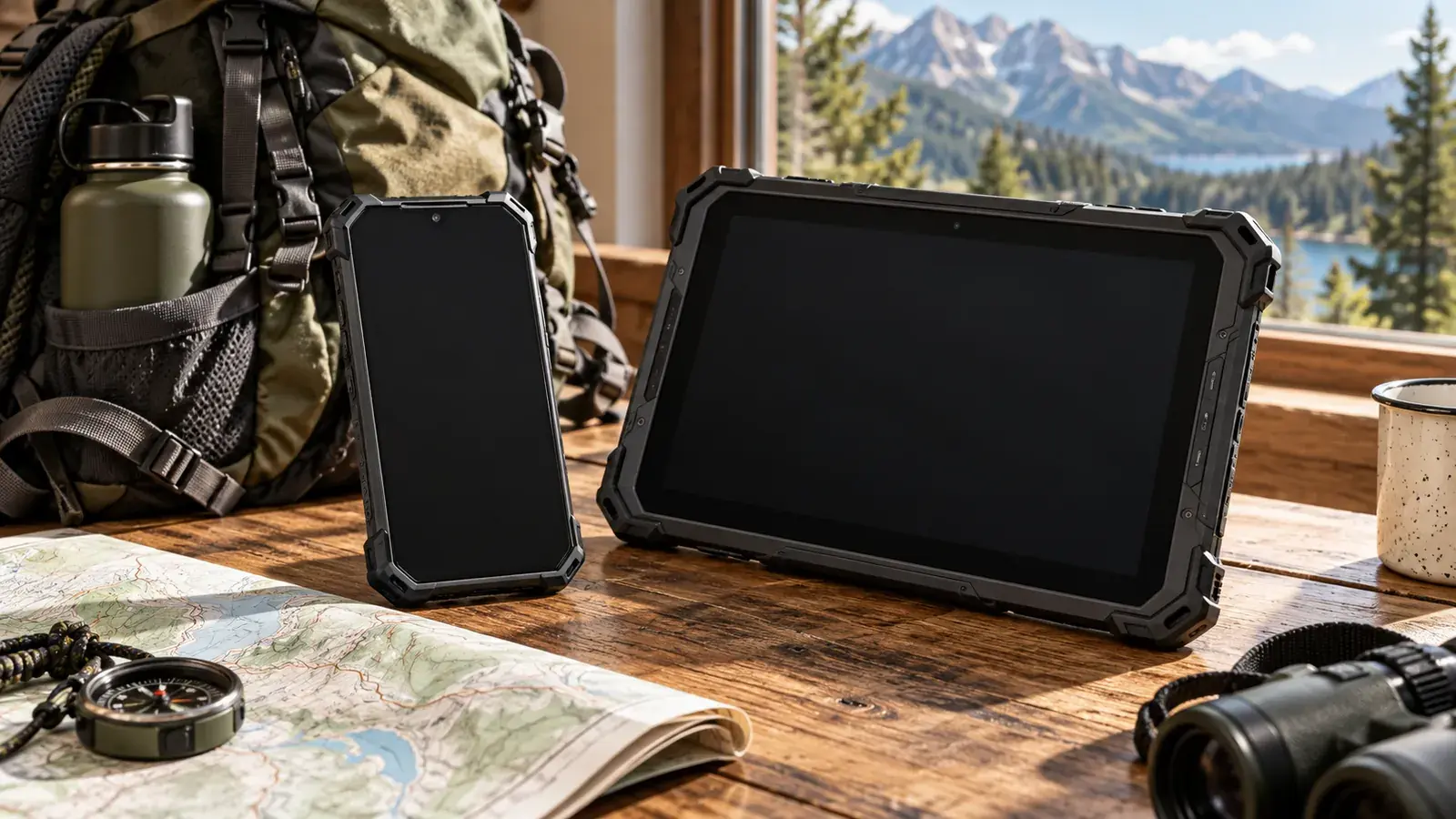 AI illustration
From backup power to technology for the outdoors
Some people encounter FOSSiBOT through a power station, others through a substantial phone. Sorting the range by purpose makes the different product families easier to understand.
Read story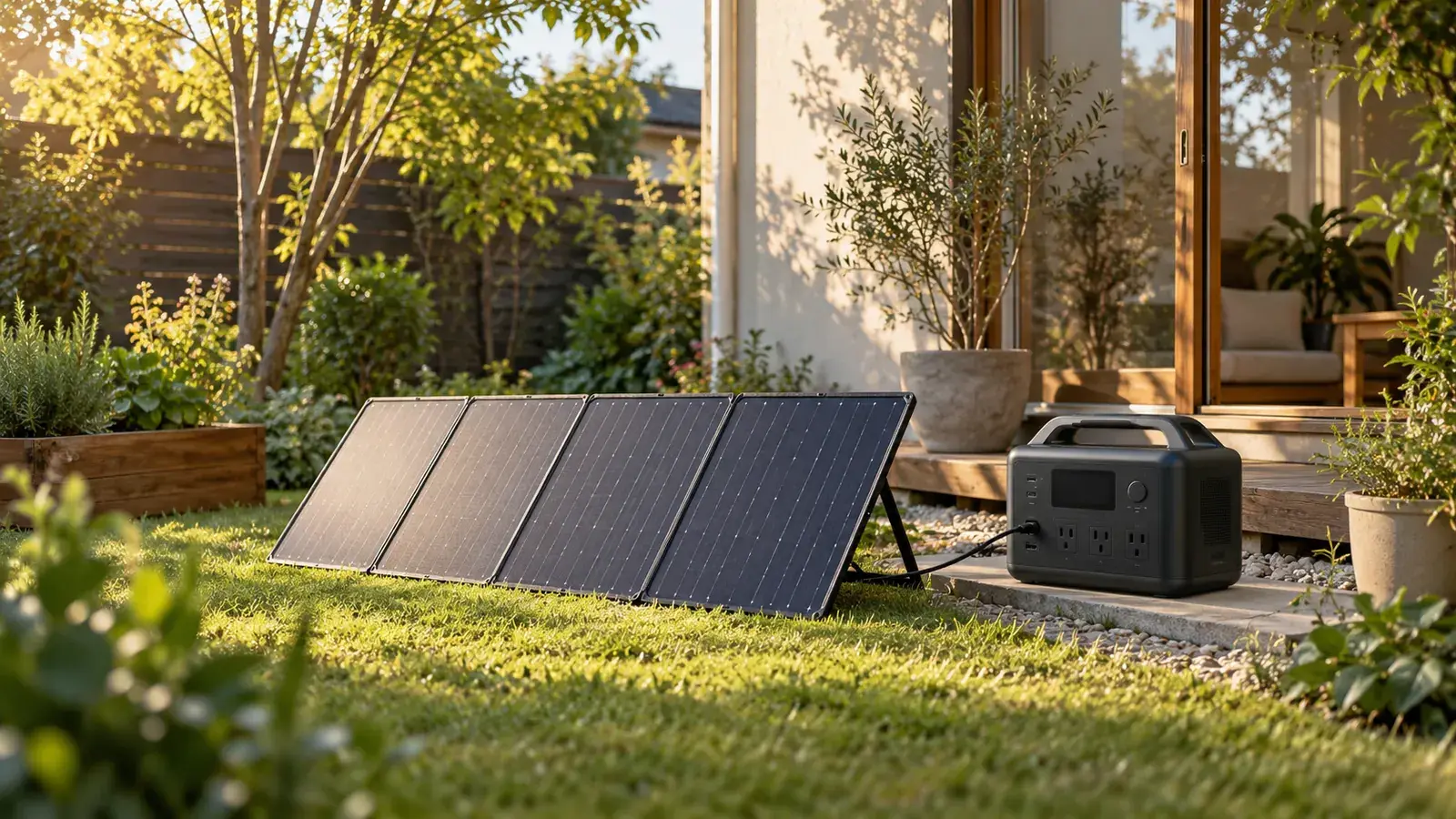 AI illustration
Solar compatibility is about more than watts
A connector fitting can feel like the job is done. For a panel and station, it is only one check: voltage, current and operating conditions still matter.
Read story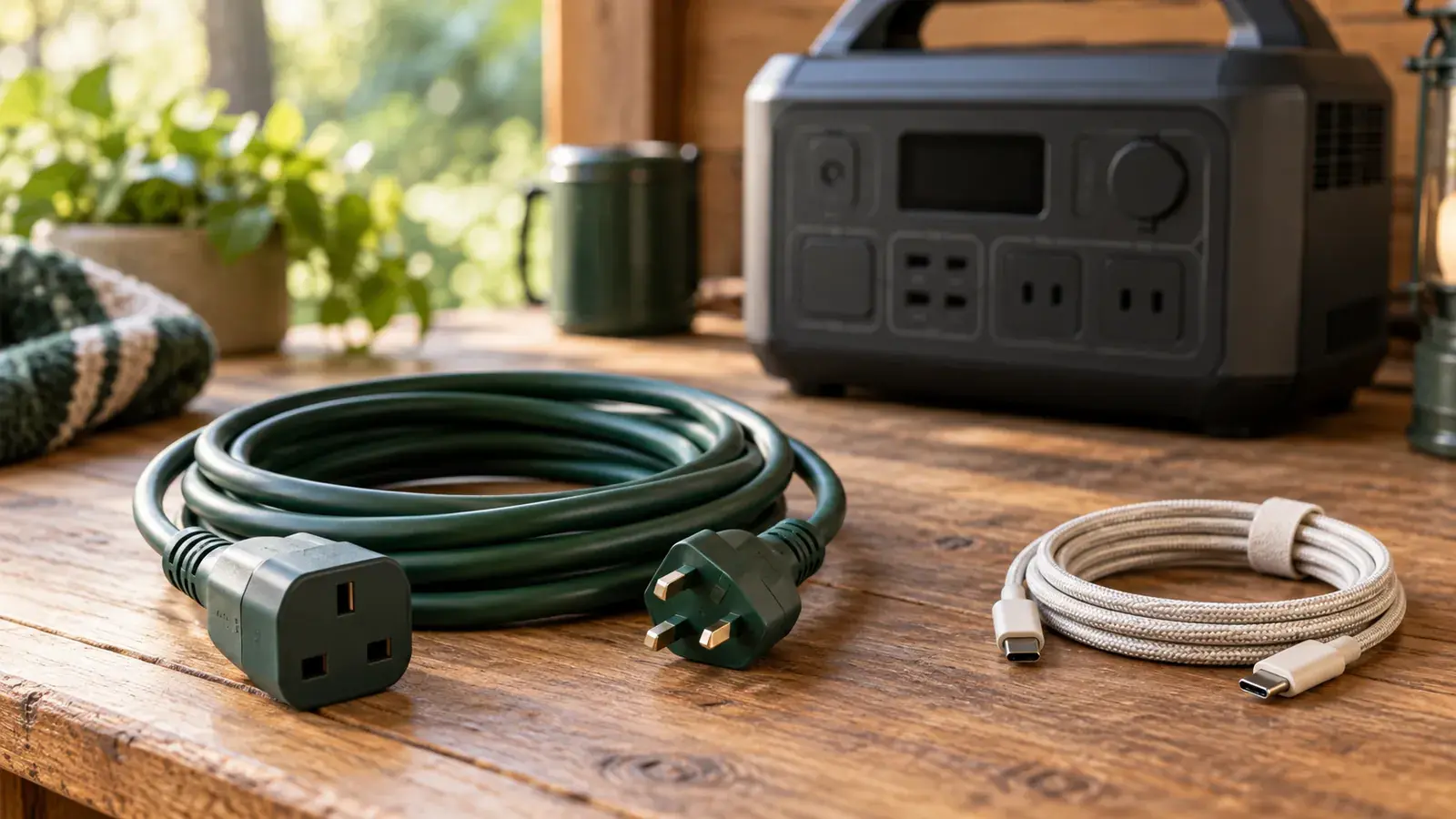 AI illustration
3000 W or 2000 W? Why the UPS mode matters
F3000 specifications can show both 3000 W and 2000 W. They are not alternative numbers to choose from at will: the researched description assigns them to different modes.
Read storyAI illustrationA rugged phone for your kind of journey
A rugged phone is a choice for a particular routine: outdoor work, travel, gloves or a tool bag. A long feature list helps only if it matches what you do.
Read storyAI illustrationW, Wh and mAh: reading specifications with confidence
Two stations can have similar names yet different capabilities. A useful comparison starts with three units often seen side by side: W, Wh and mAh.
Read storyAI illustrationPower when it matters. Meet the F2400
Treat F2400 as a defined reserve for your equipment rather than a promise to cover every outage. Here is how its 2048 Wh and 2400 W fit a household plan.
Read story